What Is AI UGC? A No-Filter Guide for Independent Creators
Summary
AI UGC (AI-generated user-generated content) is video and visual content produced by AI tools designed to look like authentic creator-made material. What used to cost brands $3,000 to $9,000 per month in creator fees now takes 10 minutes and a subscription. For independent creators, understanding what is AI UGC matters: it changes who competes for brand deals, what UGC creation pays, and what tools now exist to scale your own content output.
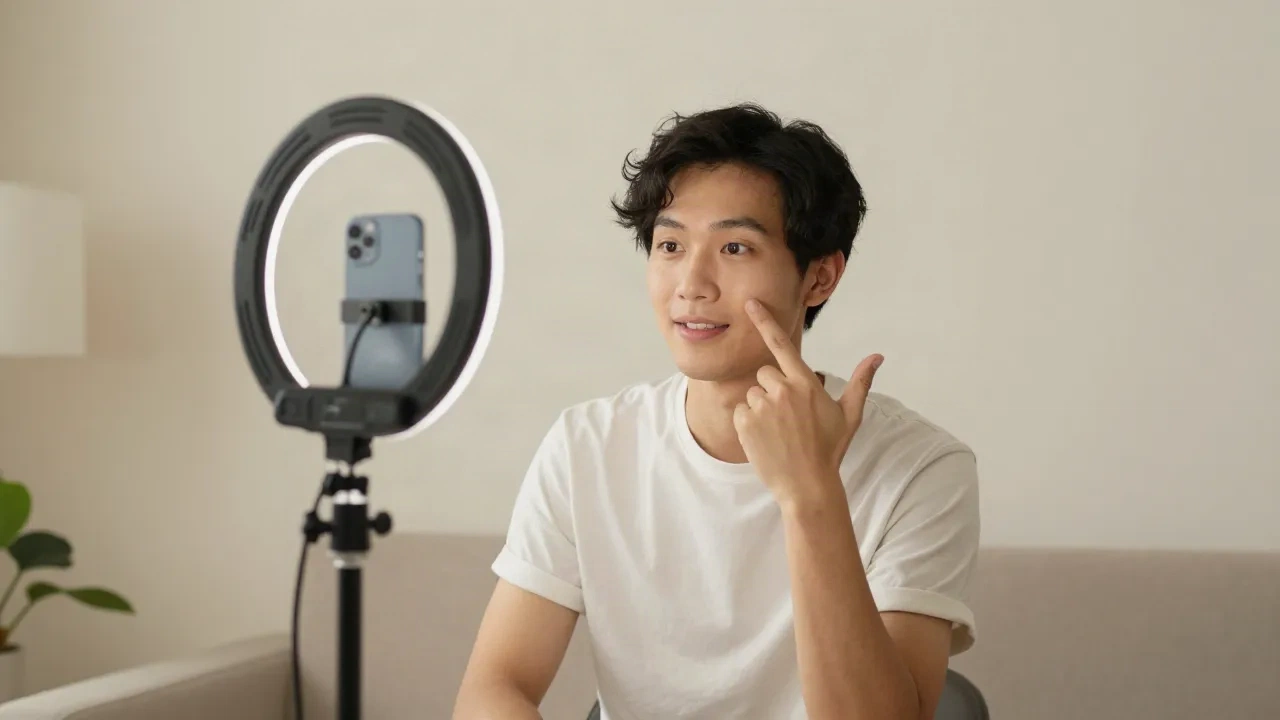
The simple answer to "what is AI UGC"
In 2024, you could charge $150 to $300 for a 30-second product review video. A brand would contact you, ship the product, wait two weeks for delivery, then another five for your finished video. That was the UGC market -- slow, human-dependent, and surprisingly well-paid for a niche corner of creator work.
AI UGC short-circuits that pipeline entirely. AI UGC (AI-generated user-generated content) refers to videos, images, and text produced by artificial intelligence tools that are intentionally designed to look and feel like authentic, creator-made content. No product shipped. No two-week wait. No creator fee.
The output is a selfie-style talking-head video with natural speech, realistic facial expressions, and the casual, handheld framing that converts on TikTok and Instagram. Generated in roughly 10 minutes, included in a $30-70 monthly subscription. The economics shifted fast enough that anyone earning from branded UGC production needs to understand the landscape now, not in six months.
Why brands were paying $3,000 to $9,000 per month for human UGC
To understand AI UGC, you need to understand what brands were solving for before it existed.
UGC-style ads consistently outperform polished studio content. According to market research published by Hedra in 2025, ads featuring UGC-style content generate 4x higher click-through rates versus traditional branded ads. Nearly 79% of consumers report that UGC directly influences their purchasing decisions -- a number that has held stable across multiple studies for the past four years.
The problem was not effectiveness. The problem was throughput. A brand testing ad creative across three audiences needs 15 to 30 video variations. Getting those from human creators at $150 to $300 per video means $2,250 to $9,000 for a single test batch -- before factoring in usage rights, revision rounds, and the two-week turnaround that makes iterating in real-time impossible.
AI UGC collapsed that cost to a platform subscription. The UGC platform market itself is projected to expand from $7.10 billion in 2025 to $43.87 billion by 2032, at a 29.7% compound annual growth rate. That growth is not consumer-driven enthusiasm. It is brand marketing budgets looking for the same output at a fraction of the cost.
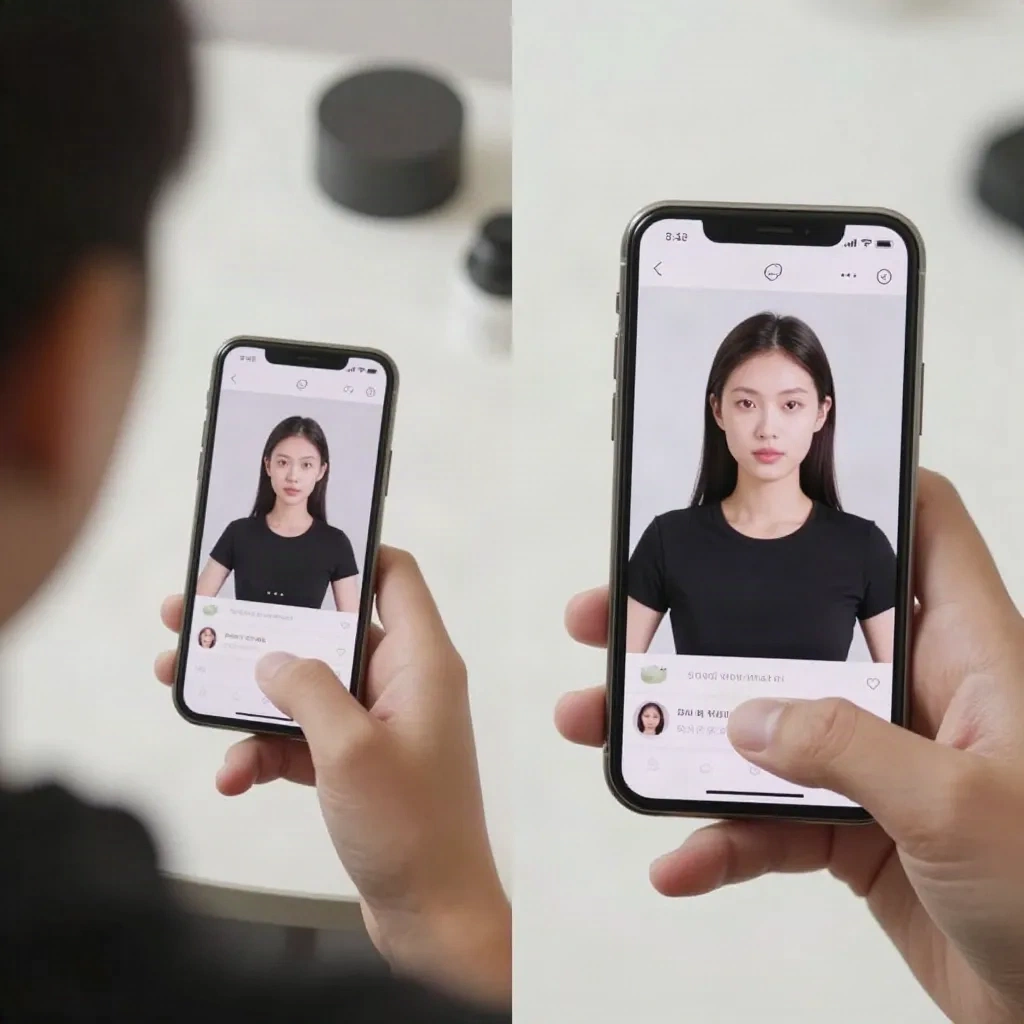
Three types of AI UGC that are actually different
"AI UGC" gets used as a single category, but it covers at least three distinct formats -- and the distinction matters for how you think about it as a creator.
AI avatar videos. You write a script, select a digital presenter from a library, and the AI generates a realistic talking-head video with synchronized lip movement and natural facial expressions. HeyGen and Creatify operate primarily in this space. Presenter libraries now run to hundreds of options, segmented by age, ethnicity, gender, and accent. A brand can match presenter demographics to a target market in seconds and generate three localized versions before lunch.
AI-generated product demos. You paste in a product URL or listing. The tool pulls the product details, auto-generates a script, and produces a complete short-form video ad -- including product footage framing. TopView is built specifically for this use case. This format is the most direct competitive threat to traditional e-commerce UGC work, because it removes the creator entirely from the production loop, not just from the on-camera role.
AI-assisted creator content. You film yourself, then AI handles scripting assistance, automatic captions, pacing cuts, and multi-format exports for different platforms. Descript sits here. This is not replacement -- it is amplification. The creator remains the source. AI removes the repetitive production overhead.
The line between the second and third categories is the important one. The first two formats replace the human in the video. The third one gives more leverage to the human who is already in it.
What AI UGC tools actually do step by step
The current generation of AI UGC tools handles more of the workflow than most creators or brand managers realize when they first encounter the category.
Script generation. You input a product description, a URL, or a brief, and the tool writes a script in a tone you select -- enthusiastic reviewer, skeptical tester, educational walkthrough. Most tools let you adjust for length (15s, 30s, 60s) and specify where the call-to-action should land. The output is ready to ship in most cases without significant editing.
Presenter selection and customization. Libraries of AI-generated presenters now offer genuine demographic range. You can specify the presenter's apparent age, background, and accent to match the audience you are targeting. Some tools let you clone a licensed voice or facial likeness if the brand has existing talent relationships.
Multi-platform export. The same core script gets automatically formatted for TikTok (9:16 vertical), Instagram feed (1:1 square), and YouTube Shorts (9:16 vertical), with captions and safe zones adjusted per platform. A batch of 20 videos across three platforms can be ready in under two hours.
Performance optimization feedback. Several tools now integrate performance data -- from connected ad accounts -- to show which script structures, presenter types, and hooks are converting. The loop between production and optimization is faster than any human-dependent workflow.
What the tools do not yet replicate: the specific credibility that comes from a creator with five years of documented experience in a niche. An AI presenter can say the product is excellent. It cannot demonstrate why, and sophisticated consumers notice the difference -- especially in categories like health, fitness, financial tools, and technical software.
Where AI UGC performs well and where it does not
AI UGC works when the content goal is volume over depth, speed over authority, or consistent brand message over authentic creator voice.
Direct-response ad testing is where it excels clearly. If a brand needs 40 variations of a product video to run split tests across audiences, age groups, and ad formats, AI UGC delivers in hours what would require weeks with a human creator roster. For e-commerce performance marketing teams running Meta and TikTok campaigns, this is a genuine competitive lever.
Branded social proof at scale is a second strong use case. A software company launching a feature update across 12 markets can generate localized video announcements the same morning. Each presenter matches the regional market. Each script is adapted in tone for the locale. That used to require coordinating 12 creators across 12 time zones.
Where AI UGC underperforms: anything requiring demonstrated expertise. A consumer researching a $500 supplement, a 1,200 euro camera, or a specialized B2B software tool wants a person with traceable experience. An AI presenter producing a review does not carry that signal, and consumers in high-consideration categories are increasingly calibrated to spot it.
The platform algorithm question remains contested. TikTok, Instagram, and YouTube have not published clear, consistent policies on AI-generated content in organic posts versus paid ads. Detection capabilities are advancing on the platform side. Content that gets broad organic reach as AI UGC today may face different treatment in six to twelve months as policy clarifies.
Should you disclose AI-generated content? The honest answer
Yes. Not just because disclosure requirements are expanding -- though they are.
The EU AI Act mandates labeling on AI-generated content used in advertising contexts. The US FTC has signaled stricter enforcement on undisclosed AI use in marketing material, particularly where consumers might reasonably believe they are watching a real human review. Requirements are only going one direction, and enforcement lag creates false security -- policy often catches up faster than producers expect.
Beyond the legal picture: audiences are getting better at detection faster than many marketers realize. The uncanny valley for AI presenters has narrowed significantly in 2026, but it has not closed. A creator or brand who is transparent about using AI tools tends to build more durable trust than one who is not, because the credibility cost of being called out is higher than the credibility cost of disclosure.
The frame that works for independent creators using AI UGC tools is augmentation transparency: "I use AI to handle the production layer, so I can focus on the expertise and community work that only I do." That positions AI as part of your workflow rather than a substitute for your identity -- because it is.
What AI UGC means for creators building direct revenue
Here is what your algorithm will not tell you: AI UGC does not compress all creator income equally.
Brand deal income from UGC production -- the $150 to $300 per video market -- is being compressed by AI. If your income depends on brands paying you to produce generic talking-head reviews for e-commerce products, that market is getting harder and will pay less over the next two years. Brands running AI UGC at scale are pulling back on freelance creator production briefs, and the volume of that work available to independent creators has declined noticeably since 2025.
Subscription revenue from your own community is structurally different. What your subscribers pay for is not production value. It is your point of view, your consistency over time, and the relationship they have built with you. An AI can produce a video that looks like a human creator. It cannot replicate the specific reason someone pays ten euros per month to access your particular perspective on your particular subject.
This is where building direct revenue on a platform you control -- rather than chasing brand production work on someone else's algorithm -- becomes the more defensible model over the next two to three years. Your subscribers are not buying production quality. They are buying access to you.
The practical move: use AI UGC tools to cut the time you spend on distribution-format content. Use the recovered time to produce the content only you can make. That is the creative work that earns and keeps paying subscribers.
Where to start if you are learning AI UGC tools now
If you produce content at scale for clients or brands: start immediately. The tools are mature enough that not knowing them is a disadvantage in any UGC production market conversation. You do not need to become an AI-first production shop, but you do need to understand the output quality and workflows well enough to have an informed position.
If you are building a community-funded creator business: adopt selectively. AI UGC tools are useful for the distribution layer of your content -- the platform-specific edits, the short-form clips, the promotional materials. They are not the right tools for the core content your paying fans come for.
The creators using AI UGC tools most effectively in 2026 are not replacing themselves. They are using AI to manage the repeatable production overhead and redirecting their own time toward the content that builds the relationship that earns the subscription. That distinction -- between production tasks and relationship-building work -- is the one worth keeping clear as the tools keep improving.