How to Monetize Instagram: The Creator's Real Playbook
Summary
Instagram creators can monetize through five official channels: Gifts at 500 followers, Live Badges at 10k, Subscriptions at 10k, invite-only Bonuses, and brand deals. The real edge in 2026 comes from pairing native features with off-platform income -- digital products and direct memberships -- so your revenue does not reset every time the algorithm shifts. AI tools cut production time substantially, letting you hit the posting frequency that makes all of it compound.

A creator with 8,400 followers on Instagram made $1,140 in a single month last year -- not from brand deals, not from invite-only Bonus programs, but from Subscriptions and Gifts stacked together with one digital product sold directly to fans outside the app. No viral moment. No paid promotion. No manager. The direct answer to how to monetize Instagram in 2026 is that native features get you started, but the creators who earn reliably have built a stack that does not depend on Meta's next policy update or algorithm shift.
What Instagram Actually Pays (and What It Quietly Keeps)
Instagram's official line is that it takes 0% on Subscriptions. That is technically accurate. The problem is that 30% goes to Apple or Google through in-app purchase fees before any money reaches you. On a $4.99/month subscriber, you see approximately $3.49 after those platform fees -- and then you owe taxes on top.
Gifts work on a similar model. Fans purchase virtual Stars inside the Instagram app at various price points, then send them as Gifts on your Reels. Instagram converts those Stars into dollars when you reach the payout threshold. The effective creator take rate runs around 70-75% of face value after processing, based on creator reports and Stars pricing documentation published by Meta.
Live Badges follow the same in-app purchase flow. Viewers pay $0.99, $1.99, or $4.99 per badge during your Live sessions, and the same 30% platform processing applies before the money reaches your account.
Understanding this math up front is not pessimism. It is the difference between building a sustainable operation and being surprised when your first monthly payout is smaller than you expected. The features are genuinely useful -- the math just needs to be clear from the start.
Gifts at 500 Followers: Where Most Creators Should Start
Instagram Gifts require the lowest threshold of any native monetization feature: 500 followers, a professional account, and residency in an eligible country. That is the entire barrier.
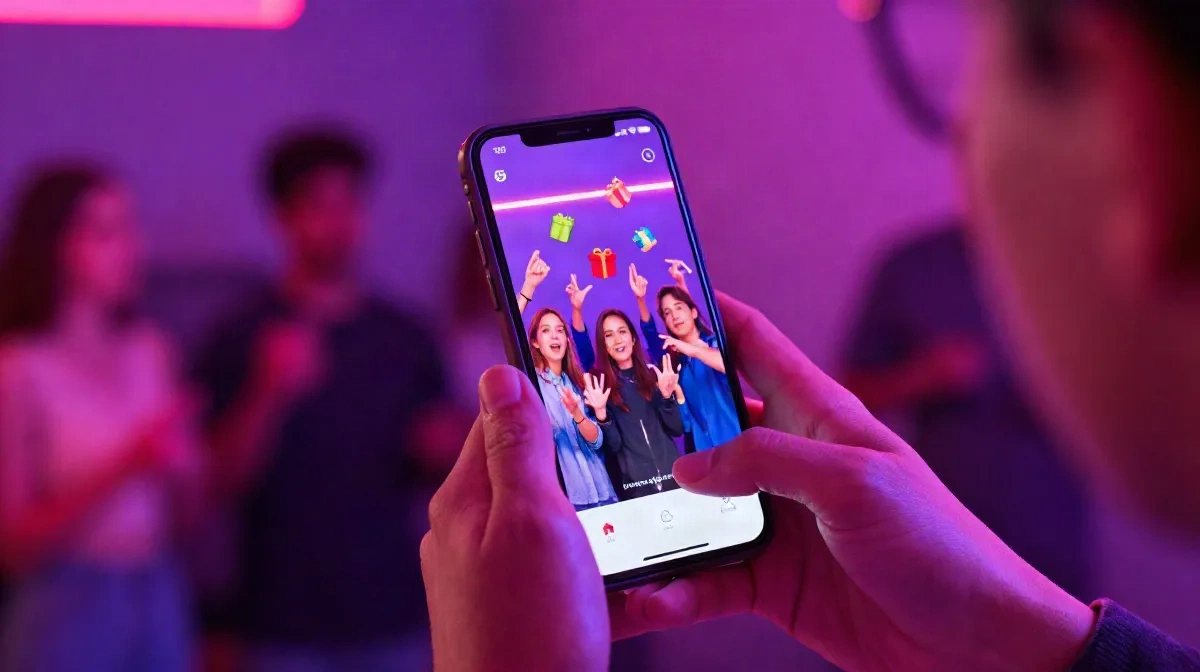
When a fan enjoys a Reel, they can tap the animation icon at the bottom of the screen, purchase Stars inside the app, and send them as a Gift on that specific piece of content. Stars accumulate in your creator account and pay out monthly once you cross the minimum balance, currently set at $25.
The practical strategy for earning from Gifts is not complicated, but it requires consistency. Post Reels regularly enough that fans have fresh content to Gift on, and tell your audience explicitly that the Gifts feature exists -- most followers do not know about it unless creators mention it directly.
Accounts that earn $200-500 per month from Gifts tend to share a broadcast channel message or a quick Story once per week explaining how fans can support them through Stars. The ones who actively educate their audience about the feature -- without being relentless about it -- earn 3 to 4 times more than accounts of identical size who never mention it.

Live Badges and Subscriptions Unlock at 10,000 Followers
Three features open at the 10,000-follower threshold: Live Badges, Subscriptions, and revenue sharing on longer video content.
Live Badges let viewers tip you during active live sessions at $0.99, $1.99, or $4.99 per badge. Revenue from Badges only exists during the session -- it zeroes out completely when you sign off. For creators who go live two to three times per week with audiences who enjoy real-time interaction, Badges can add $200-600 per month. For creators who go live rarely or whose audience does not engage with live content, Badges contribute very little.
Subscriptions are structurally different and arguably more valuable for most creators. Fans pay a recurring monthly fee -- you set the price within Instagram's approved range -- in exchange for exclusive content. That content includes subscriber-only Reels not visible to the public, subscriber-only Lives, Close Friends Stories restricted to paying fans, and a distinctive purple ring on their comments and DMs that signals their subscriber status.
The recurring nature is the key advantage. Once someone subscribes, you earn from them monthly without re-earning their support with each piece of content. A creator with 200 subscribers at $4.99/month earns approximately $700/month before platform fees -- and that number exists whether they had a good content week or not.
The Close Friends Stories tier within Subscriptions is worth noting separately. It allows you to build a functional content tier entirely within Instagram, without setting up any external platform.
Brand Deals Do Not Require an Agent or 100,000 Followers
Micro-influencer deal rates in 2026 typically fall between $100 and $500 per sponsored post for accounts between 10,000 and 100,000 followers. Nano-influencers under 10,000 followers are regularly approached directly by direct-to-consumer brands that prioritize engagement quality over raw audience size.
You do not need a manager or a talent agency to land brand partnerships. Three inputs are typically enough: a clear media kit showing your niche, your engagement rate, and your audience demographics; a business email address visible in your bio; and direct outreach to brands already allocating budget to creators in your content category.
To identify which brands to approach, look at which accounts your existing audience follows and engages with. Brands spending on creators typically maintain visible creator programs or application pages. Many publish their rate ranges or invite applications directly through their own websites.
The metric brands use most consistently in 2026 is engagement rate, not follower count. An account with 15,000 followers and a 5% engagement rate routinely receives brand offers that larger accounts with lower engagement do not. A practical target: an engagement rate above 2.5% puts you in a competitive position for most DTC brand outreach.
AI Tools Are the Output Engine That Makes Every Feature Pay
The creators who earn consistently from Instagram are not more creative than those who do not. They post more frequently. Four to seven Reels per week is the range where the compounding effects of the Instagram algorithm become measurable -- and where creator earnings data consistently shows higher monetization rates.
The problem with posting at that frequency has always been production time. A well-edited 60-second Reel has traditionally taken 2-3 hours from concept to published post. At five posts per week, that is 10-15 hours of production time before any other business activity.
AI video and content tools have changed this calculation substantially for creators who have integrated them into their workflow.
With AI assistance for scripting, editing, auto-captioning, and thumbnail creation, the same Reel can move from concept to upload in under 45 minutes. That is not an aspirational number -- it is what creators who have built optimized workflows with these tools consistently report.
Output velocity also matters beyond raw frequency. Instagram's algorithm weights posting consistency over time. Accounts that publish 5 times per week for 8 consecutive weeks outperform accounts that post 20 times in one week and then go quiet. AI tools make that consistency sustainable for a creator working alone.

Your Revenue Should Not Live on Instagram's Servers
The fact your algorithm will not show you: every follower you earn on Instagram belongs to Instagram's database, not yours. If your account gets restricted, if a content policy changes, if the app loses favor with your audience over the next two years -- your direct access to those fans disappears entirely.
Creators with the most stable income in 2026 treat Instagram as a traffic acquisition channel, not as a business foundation. They use it to find fans, build trust through consistent content, and generate real interest -- then they move those fans into a relationship they actually own: an email list, a direct membership, or a product sold completely outside the app.
The revenue comparison is worth making concretely. A creator with 12,000 Instagram followers earning $340/month from native features -- Gifts plus Subscriptions -- might earn more from the same audience through a direct membership at $5/month with 100 paying members. At that level: no 30% platform cut on every transaction, no algorithm deciding which fans see each post, no dependency on whether Meta chooses to promote or restrict that account this month.
This is not an argument against Instagram's native features. Use all of them. It is an argument against building your entire revenue model on a platform you do not control.
Build a Revenue Stack That Survives the Next Algorithm Shift
Creators with the most resilient income from Instagram do not rely on a single source. They run four or five smaller ones simultaneously: Gifts on Reels, a Subscription tier for committed fans, one affiliate relationship with a product they genuinely use and recommend, a digital product for their most engaged segment, and occasional brand deals when the fit is right.
None of these is a large number individually. Together, they absorb the impact when any single channel has a slow month. A dip in Gifts revenue does not threaten your income when Subscriptions are stable. A brand deal falling through does not matter when your digital product earns consistently.
The most common mistake creators make is waiting until they have enough followers to start monetizing. Gifts unlock at 500 followers. Digital products require zero platform-imposed threshold. Brand deals start happening at follower counts in the low thousands when engagement rates are strong and the niche is clear.
Start earning with whatever is available right now. Add the next layer once the first one produces consistent results. That is exactly how the creators who have been doing this for three years built what they have -- not a system, not a shortcut, just one working layer added on top of another.