How to Monetize a Podcast: 6 Revenue Streams That Work
Summary
Monetizing a podcast in 2026 does not require massive download numbers. Six revenue streams -- memberships, digital products, sponsorships, affiliate marketing, live events, and listener tiers -- let you earn directly from your fans. Stack two complementary streams, validate them, then add a third. A highly engaged audience of 300 fans will consistently outperform a passive audience of 3,000 when it comes to converting any paid offer you make.
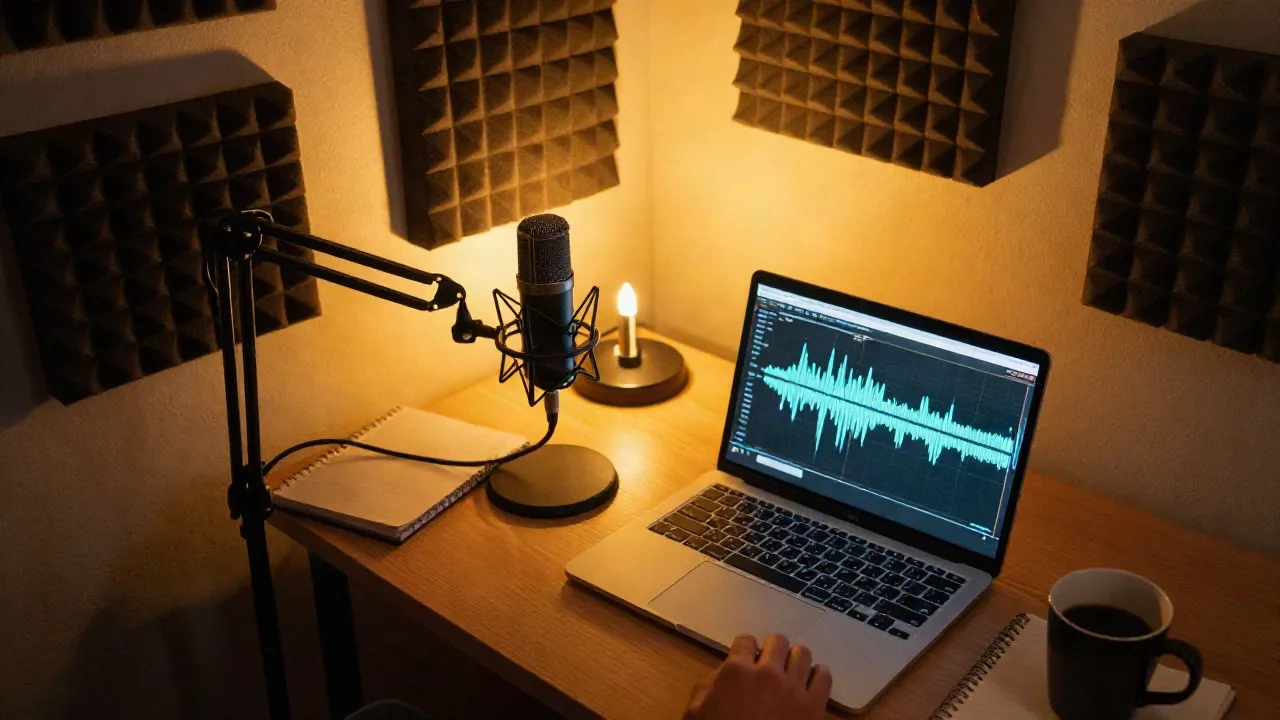
Six months ago I was running a paid audio program for creative entrepreneurs -- 380 subscribers paying 9 euros per month, no sponsors, no ad network. That is how to monetize a podcast in the simplest way possible: own the relationship with your listeners, charge them directly, and keep what you earn. Most monetization advice sends you toward sponsorships first. The problem is that sponsorships work for roughly 1 percent of shows and leave the rest waiting at the door until they "grow big enough."
This guide is for the other 99 percent.
The Download Numbers That Sponsorship Networks Sell You Are Misleading
Ad networks typically require 5,000 to 10,000 downloads per episode before they consider your show. Some set the threshold at 20,000. If you are below that, their answer is: come back when you have grown.
What that threshold means in practice is this -- sponsorships are built for scale, not engagement. A CPM of $25 on 10,000 downloads gives you $250 per ad slot. With two placements per episode, that is $500 gross, before fees, before taxes, before the hours you spend sourcing sponsors, negotiating rates, writing scripts, and reading ad copy you did not choose.
US podcast ad revenue hit $4.2 billion in 2026, per Value Add VC analysis. That money flows overwhelmingly to the top 100 shows, where host-read CPMs reach $60 to $120. For mid-tier shows, the realistic range is $25 to $40 CPM. For shows under 5,000 downloads, ad revenue through networks is not viable. It may not even be your most profitable path even if you do hit those numbers.
The real cost of building toward sponsorships is the time and content focus you redirect away from the revenue models that actually scale with engagement.
Dynamic ad insertion now accounts for roughly 90 percent of podcast ad delivery, meaning networks can monetize your back catalog at scale -- but only once you have built that catalog and that audience. Before you hit the threshold, you are doing the work without the payout.

Why 300 Engaged Fans Earn You More Than 3,000 Passive Listeners
Here is the number that changes how you think about your show: industry conversion data puts the action rate for listener support at 2 to 10 percent of your audience, when the relationship is strong. On a 300-listener show, that is 6 to 30 fans willing to pay for something.
Twenty supporters at $7 per month equals $140 recurring. Twenty supporters at $15 per month is $300. It sounds modest until you compare it with ad revenue at that same audience size, which rounds to zero.
The difference goes deeper than math. A membership model pays you whether or not you publish that week. Sponsorship revenue stops the moment an episode is late or a brand decides not to renew. The podcaster who earns $300 per month from 25 paying members is in a structurally different position than the one chasing a $25 CPM deal.
This is what your algorithm does not tell you: the metric that matters for monetization is not raw download count. It is the percentage of your audience that comes back every episode, recommends the show without being asked, and replies when you send an email. That percentage determines your actual revenue ceiling.
How Memberships Work When You Are Not a Famous Podcaster
A membership is not a Patreon page you set up and forget. It is a standing offer to your most interested listeners: pay a fixed monthly amount and get access to something they cannot find anywhere else.
That something does not need to be elaborate. One extra episode per month. An ad-free feed. A private community channel where listeners ask you questions directly. A monthly voice note with your take on what happened in your industry. Pick one format, price it, and announce it clearly to your current audience.
I have run a paid audio program at a fixed monthly price for two years. The retention rate at month 3 sits above 70 percent. My one lesson from that run: close the membership to new subscribers for 30 days after launch, then reopen with a waiting list. The scarcity signals that access has value. It is not a trick -- it is honest signaling that you manage the member experience instead of letting it dilute.
47,000 podcasters earned revenue through Patreon in 2025, with $629 million paid out across 7.6 million paid subscriptions, per Value Add VC research. The top earners were not celebrity hosts. They were niche shows with audiences that trusted them on a specific topic.
Industry surveys show that 25 percent of podcast listeners say they would pay for a show they genuinely love. Your job is to make your show the one they mean when they say that.

Digital Products Your Listeners Will Actually Buy
If recurring subscriptions feel like a commitment you are not ready to manage, digital products are the cleaner starting point. You build them once. They earn on their own.
The formats that convert reliably for podcasters:
Templates (workflow documents, scripts, or planning sheets your listeners reference repeatedly)
Guides (the exact framework or process behind your most-requested episode)
Mini-courses (four to six short audio or video lessons as a one-time purchase)
Price your first product between $19 and $39. Above $39, buyers want substantial proof before committing. Below $19, your margin barely covers the email sequence required to sell it.
The key insight on digital products: do not invent something new. Listen to the questions your audience asks repeatedly. The answer you give most often in replies or comments is the product they will buy. Package it, price it, sell it. That is the full process.
Delivery is simpler than most first-time sellers expect. A PDF, a private audio file, or a short video recording sent via a simple checkout page is enough for a first launch. You do not need a course platform with a learning management system before you have validated that the product sells. Validate first, build infrastructure second.
Affiliate Revenue Without Sounding Like a Sponsored Break
Affiliate marketing works differently from brand deals. You recommend a tool you already use, include a tracked link, and earn a commission when a listener signs up. No minimum download threshold. No negotiation. No ad script to read on air.
The failure mode is recommending products you have not tested. Listeners notice faster than you expect. One recommendation that does not hold up erodes the trust that makes every other revenue stream work.
The approach that converts without feeling transactional: pick two or three tools that are genuinely part of your workflow, and mention them in the context where they naturally belong. Not in a dedicated sponsor slot. "I edit every episode with this tool and it cuts my production time by half" outperforms "this week's sponsor is" because it is a description, not a pitch.
Start with tools you would recommend for free. Find whether they have an affiliate program. Most creator-focused software does. Your existing use case is the only brief you need.
One structural advantage of affiliate revenue: it compounds with your back catalog. A recommendation in your most popular episode from two years ago keeps earning if that episode stays in circulation. This is the one monetization channel where your older episodes actively work for you without any additional effort on your part.

Live Sessions and Workshops: The Revenue Line Most Podcasters Skip
Most podcasters underestimate how much their listeners value direct access. A 90-minute workshop on a topic your show covers is a productized version of what you already do in every episode. The difference is that you charge for it.
Pricing scales with specificity. A workshop titled "How to grow your creative business" might sell for $29. The same knowledge packaged as "How I built a paid audio audience of 380 subscribers in 14 months, including every mistake along the way" sells for $79. The narrower the title, the easier the conversion.
The production model: run it once live for your existing audience at a discounted rate. Sell the replay at full price afterward. The live session costs you two hours. The replay earns for months without additional work on your part. The live attendees also generate the social proof (testimonials, clips, comments) that the replay needs to sell.
Stack Two Streams Before You Build a Third
The pattern that kills early podcast revenue is trying all channels simultaneously. Memberships plus affiliate links plus a digital product plus a live event plus a sponsorship pitch, all at once, means none of them get the focused attention required to convert.
The better approach: launch one membership offer and run it for 60 days. Measure the conversion rate and the churn at month two. Then add one digital product that complements what your current members already want. Only after both streams are validated and stable do you add a third.
What this gives you is not just revenue -- it is data. You learn which format your specific audience responds to. Some shows convert heavily on live access and barely move digital products. Others sell guides at scale but have low membership retention. You cannot know your ratio without testing in sequence.
In practice, the difference shows up within the first month. Two streams that work build compound momentum. Eight streams that each kind of sort of work leave you exhausted and underpaid.
Track your revenue by stream every month in a simple spreadsheet. When one stream consistently outperforms, double down on the format behind it. When a stream underperforms for three consecutive months, remove it and reallocate that energy.
The goal is not maximum revenue channels. It is maximum revenue per hour you spend on monetization.
One number that guides this: your effective hourly rate from each stream. Take the monthly revenue from a given channel, divide it by the hours you spent building or maintaining it that month. When you run this comparison across channels, the answer is usually surprising. The channel that feels hardest to manage is often the one with the lowest hourly return. The one you almost overlooked is earning three times more per hour.
Run that calculation before you add anything new. It will tell you where to invest your next 20 hours better than any strategy guide, including this one.