How to Make Money on Twitch Without Waiting for Payouts
Summary
To make money on Twitch you need Affiliate status: 25 followers, 4 hours across 4 days and an average of 3 viewers. After that, each Tier 1 sub pays roughly $2.50, Bits pay about 1 cent each, and ads pay little at small scale. Reaching $1,000 a month from subs alone takes around 400 of them. Most small streamers earn faster by adding sponsors, digital products and an email list that Twitch does not control.
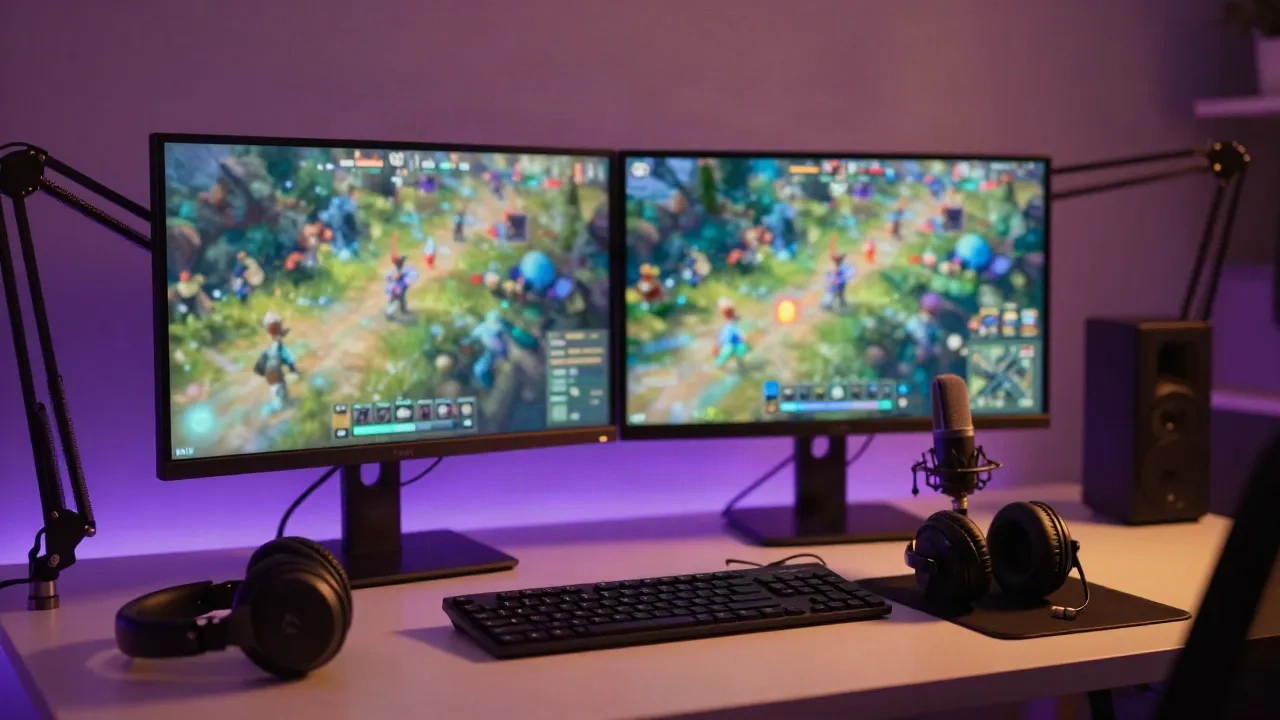
Picture a streamer who averages 12 concurrent viewers and goes live four nights a week. After a month she has 9 subscribers, a few hundred Bits and about $30 in ad revenue. That is the honest starting point when you learn how to make money on Twitch: real, but small, and slow to compound.
The good news is that the platform gives you several income lines, and nothing stops you from building more outside it. Here is how each one pays, what it takes to unlock, and where we would put your time first.
What does Twitch actually require before it pays you?
Twitch pays through its Affiliate program. You need 25 followers, 4 hours streamed, 4 different streaming days and an average of 3 concurrent viewers on those days, all inside the same 30-day window, according to Twitch's own Affiliate requirements.
Note the wording: 3 viewers watching at the same time, not 3 views in total. Most new streamers clear this bar within a few weeks if they keep a fixed schedule.
Since July 2025, any streamer who finishes onboarding (tax interview, payout method, signed agreement) can switch on subscriptions and Bits. But a real payout still waits for Affiliate status. Until then, the money sits in a balance you can only spend on other creators.
Partner is the next step up. It asks for an average of 75 viewers across six streams over two consecutive 30-day periods. Do not chase it early. Partner changes your perks far less than a second income line does.
How much does one subscriber really pay you?
Less than the sticker price. Twitch splits subscription revenue 50/50 with Affiliates, and the split happens after taxes, payment processing and currency fees are removed. Twitch says as much in its Affiliate FAQ.
Take a Tier 1 sub at $4.99. The headline share is $2.50, and the amount that lands in your account is a bit lower. Prices also vary by country, so your own dashboard is the only number that counts.
Now do the arithmetic that streamers avoid. To reach $1,000 a month from Tier 1 subs alone, you need about 400 of them. A channel with 40 subscribers brings in roughly $100 before fees.

Payouts have a floor too. You need at least $50 accrued with most payout methods, or $100 by wire, and the money arrives about 15 days after the month ends. Your first sub today is cash in your hands in six weeks.
Are Bits and ads worth the effort?
Bits are the easy one. Viewers buy them and cheer in chat, and you earn about 1 cent per Bit. A viewer who sends 500 Bits gives you $5. That is nice, and it is also the reason Bits never replace a salary.
Ads are the quiet one. Affiliates and Partners can share in-stream ad revenue, and Shopify's creator guide puts the net share at 55% when you run three minutes of ads per hour. You do not pick the advertisers. You only pick the timing and the length.
Our view: turn ads on, schedule them at natural breaks, and stop thinking about them. At 12 viewers, ad income is pocket change. At 300 viewers it starts to matter.
Here is what each Twitch-native income line does for a small channel:
Subscriptions: steady, but you keep roughly half
Bits: spiky, tied to hype moments in a stream
Ads: passive, tiny until your concurrent count grows
Donations: open to everyone, but unpredictable
Which income lines does Twitch not control?
This is where streamers who last past year two put their energy. Donations, sponsorships, affiliate codes and merch work for everyone, even before Affiliate status, and no algorithm decides whether your fans can find them.
Sponsorships come first. Brands set a flat fee or a per-stream rate with you directly, and you must disclose the deal on stream. Third-party marketplaces connect small channels with sponsors, and a short media kit with your average viewers and watch time is usually enough to start the conversation.
Affiliate links come next. Share the gear you actually use on your About page and in a chat command. Commissions often sit between 2% and 10%, so this is a supplement, not a plan.
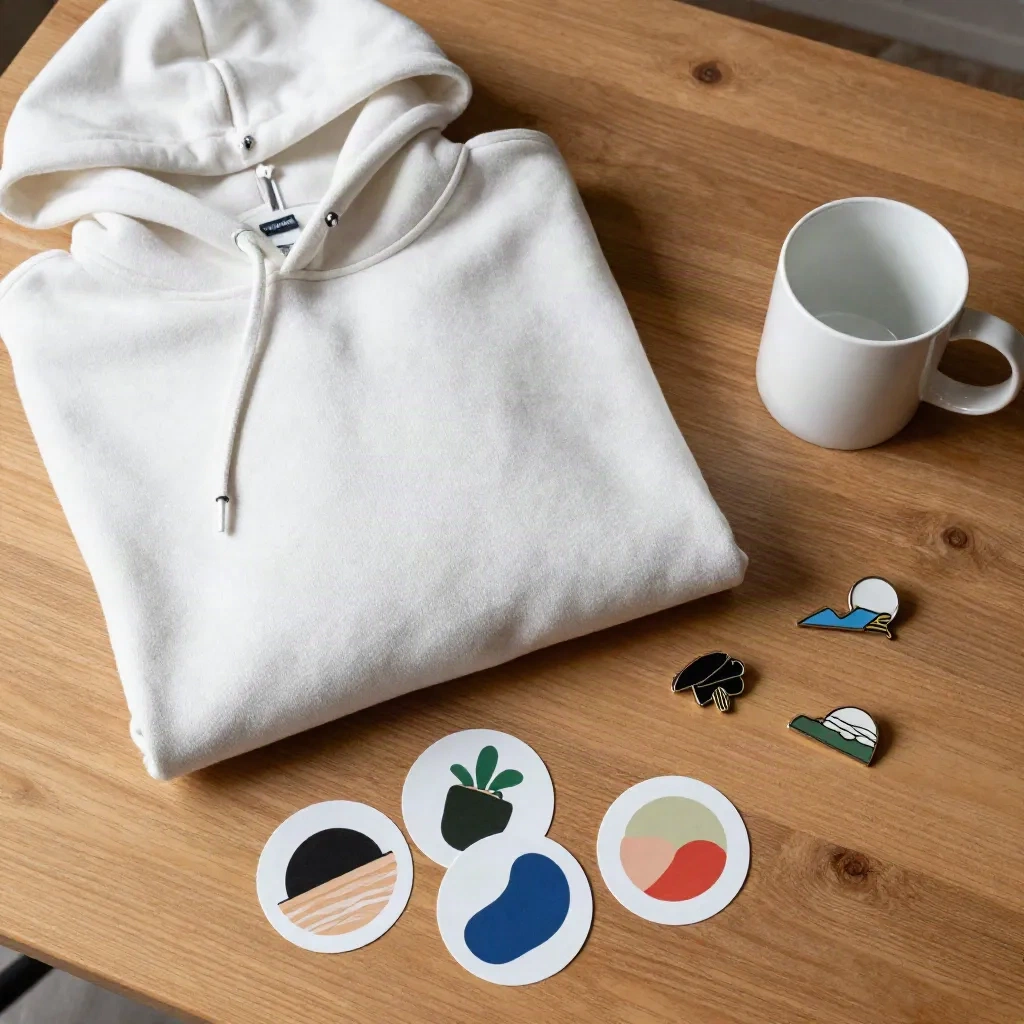
Merch is the third. Plain designs built on your catchphrases and emotes sell better than generic logos. Print-on-demand means no stock and no upfront cost.
The real cost of a platform is rarely the 50% it keeps. It is that the viewer belongs to the platform, so the next income line has to start from zero each time it changes the rules.
What should you sell that Twitch cannot take a cut of?
Digital products. Overlays, emote packs, editing presets, a "how I run my stream" guide, a paid Discord with weekly Q&A. You make it once and sell it as often as people ask.
Here is a plain test. If a viewer already asks you the same question in chat every week, you have found a product. Package the answer and put a price on it.
A stream-setup guide at $19 needs only 53 buyers to match 400 Tier 1 subs for one month. That is a very different number from 400 recurring subscribers, and it is why direct sales deserve a seat next to your Twitch income.
Pick one product and finish it. A mediocre pack that ships beats a perfect one that lives in a folder for six months.
Why does an email list beat a follower count?
Twitch followers are rented. If your account is suspended, or the directory changes, or your game loses its audience, the follower number stays with the platform. An email address stays with you.
A simple habit works: at every stream end, mention one free thing (a preset, a schedule PDF, a discount code) that people get by joining your list. Even a modest list of 300 people gives you somewhere to announce a product launch or a sponsor code without asking an algorithm for permission.

Fans who join your list are also the ones most likely to pay you directly, through paid memberships or one-time products. They reply to emails. They buy the second thing you sell.
Write the first email as if you were telling a friend what is coming this month. Keep it short, keep it specific, and send it on a fixed day.
How do you cut the editing time that eats your week?
Streaming is only half of the job. Clips for Shorts, TikTok and YouTube are how new viewers find you, and cutting them by hand takes more hours than most small streamers can spare.
Two jobs deserve a tool. First, captions and fast vertical edits for clips. Second, transcript-based editing for longer VOD highlights, where you delete a sentence from the text and the video follows.
An hour a day recovered from editing is an hour you can spend on stream, which is where subs and Bits come from. Keep your tools simple and your cadence steady.
What does a realistic month look like at three channel sizes?
Numbers help more than slogans here. These are illustrative estimates built from the rates above, not data from a specific channel, and they ignore taxes and fees.
A channel at 10 average viewers might hold 15 subs ($37), 1,000 Bits ($10) and a few dollars of ads. Call it $50 to $60. A sponsor deal or twenty sales of a $19 guide would triple that in a single month.
A channel at 50 average viewers might hold 80 subs ($200), 5,000 Bits ($50) and perhaps $60 in ads. That is around $300, which pays for the gear and not much more.
A channel at 200 average viewers might hold 350 subs ($875), 20,000 Bits ($200) and a few hundred dollars in ads. Now Twitch alone clears $1,000, and a single sponsor can match the whole subscription line.
Notice how late the platform money gets serious. It takes years for most channels to reach the third example, so the lines you control are what carry you there.
Which mistakes slow most small streamers down?
Three come up again and again.
The first is streaming at random hours. Viewers return to a schedule, and the 3-viewer average for Affiliate is much easier to hit when people know when you go live.
The second is hiding the money ask. Say once per stream, plainly, how people can support you: sub, Bits, product or list. Streamers who never mention it rarely get paid for it.
The third is relying on one source. A channel built on subs alone loses a third of its income when a few big gifters stop. A channel with subs, a product and a list shrugs it off.
What would we do in your first 90 days?
Here is the order we would follow if we started from zero tomorrow:
Weeks 1 to 4: fixed schedule, hit the Affiliate requirements, finish onboarding
Weeks 5 to 8: turn on subs, Bits and ads, add an email signup to your panels
Weeks 9 to 12: ship one digital product and pitch two sponsors
Skip the donation-only plan. It depends on a handful of generous viewers and disappears the month they stop. Skip the "grow to Partner first" plan too. Partner status changes how Twitch treats you, but it does nothing for the money you collect outside Twitch.
The streamers who earn a living from this treat Twitch as the front door and their own list as the house. Start collecting emails in week one, and set a monthly target you can measure: 25 subs, 100 emails and one product sold.